
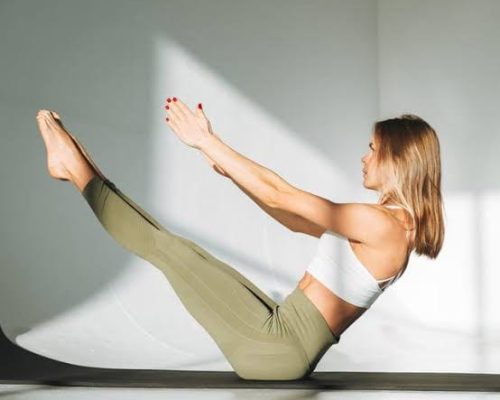
When most people think of Pilates, they picture long lean muscles, strong cores, and graceful movements. While it’s true that Pilates is incredible for posture, strength, and flexibility, there’s another often-overlooked benefit—it can play a big role in supporting your lymphatic system. Since the lymphatic system is one of the body’s most important (and most underrated) detox and immune systems, incorporating a practice like Pilates can be a game-changer for overall health and vitality.
Let’s explore how Pilates connects with lymphatic health, why this system is so important, and how you can use movement to keep things flowing.
A Quick Refresher: What is the Lymphatic System?
The lymphatic system is like the body’s inner drainage and defense network. It’s made up of lymph vessels, nodes, and tissues that work together to:
- Remove waste and toxins from tissues
- Transport lymph fluid (a clear fluid rich in immune cells)
- Support immunity by filtering out bacteria, viruses, and other harmful invaders
- Maintain fluid balance so tissues don’t swell up
Unlike the circulatory system, which has the heart to pump blood, the lymphatic system doesn’t have a central pump. It relies on muscle movement, deep breathing, and physical activity to move lymph fluid through the body. That’s where Pilates comes in.
Why Pilates is Perfect for Lymphatic Flow
Pilates isn’t just about looking toned—it’s about moving with intention, control, and breath. These principles directly support the mechanisms the lymphatic system depends on. Here’s why Pilates and lymphatic health are such a powerful match:
1. Breathwork Stimulates Lymphatic Movement
One of the cornerstones of Pilates is breath. Many exercises are paired with deep, diaphragmatic breathing that not only strengthens the lungs but also acts like a natural pump for lymph fluid.
- Deep inhales expand the diaphragm, creating a gentle suction effect that helps lymph move upward through the chest.
- Full exhales help stimulate the lymph nodes in the thoracic region, boosting detox pathways.
When you learn to breathe the Pilates way, you’re not just oxygenating your body—you’re helping detoxify it too.
2. Muscle Contractions Move Lymph Fluid
Every time you contract and release a muscle, you give your lymphatic system a little push. Pilates is filled with controlled, repetitive movements that engage both small stabilizing muscles and large movers. This “muscle pump effect” is exactly what your lymph vessels need to keep lymph fluid circulating.
For example:
- Leg circles and footwork on the reformer encourage lymph flow from the lower body, where fluid often tends to pool.
- Arm work with resistance bands supports drainage in the upper body and chest.
3. Gentle Inversions Encourage Drainage
Many Pilates exercises involve positions where the legs are elevated or the body is angled, creating a natural inversion. Even a simple move like legs up in tabletop or a shoulder bridge can help lymph fluid move back toward the heart. Unlike extreme inversions in other practices, Pilates offers safe, accessible positions that still give the lymphatic system a boost.
4. Improved Circulation
Lymphatic health is closely tied to good blood circulation. Pilates emphasizes flowing movements and balanced muscular engagement, which improve circulation without placing stress on the cardiovascular system. This creates a harmonious environment where both blood and lymph move efficiently.
5. Stress Reduction & Nervous System Support
Chronic stress is known to suppress immune function and slow down detox pathways. Pilates’ mindful approach—connecting movement with breath—activates the parasympathetic nervous system, also known as the “rest and digest” mode. A calmer nervous system means better lymphatic flow, stronger immunity, and improved recovery.
Pilates for Common Lymphatic Concerns
Pilates isn’t a cure-all, but it can be an incredible support tool for common issues related to lymphatic health:
- Swelling in the legs and feet (edema): Leg-focused exercises, combined with gentle inversions, can help reduce fluid build-up.
- Sluggish detox: Breathwork and circulation-boosting sequences stimulate drainage pathways.
- Weakened immunity: Regular practice encourages the movement of immune cells through lymph fluid, helping your body respond faster to threats.
- Post-surgery or recovery support: With guidance from a professional, modified Pilates can safely promote gentle lymphatic movement, which is especially important after certain surgeries.
Practical Pilates Moves to Boost Your Lymphatic System
Here are a few beginner-friendly Pilates exercises you can try to encourage lymphatic health. Always move slowly, breathe deeply, and listen to your body.
- Pelvic Curl (Bridge)
- Lie on your back with knees bent and feet hip-width apart.
- Slowly roll your spine off the mat, lifting into a bridge.
- Hold for a breath, then slowly roll down.
- Benefits: Inversion-like position helps lymph drainage from the legs.
- Leg Circles
- Lie on your back with one leg extended toward the ceiling.
- Circle the leg outward and inward, keeping your hips stable.
- Repeat on both sides.
- Benefits: Encourages circulation and fluid movement in the lower body.
- Hundred (with Modified Breathwork)
- Lie on your back, legs in tabletop, arms reaching forward.
- Pump the arms up and down while inhaling for 5 counts and exhaling for 5 counts.
- Continue for up to 100 pumps.
- Benefits: Deep diaphragmatic breathing stimulates lymph flow in the chest.
- Spine Twist
- Sit tall with legs extended forward, arms out to the side.
- Twist your torso to one side, then return to center.
- Repeat both directions.
- Benefits: Gentle twisting stimulates lymph nodes along the torso.
- Legs Up the Wall (Restorative)
- Not a traditional Pilates move but often integrated into recovery.
- Simply lie on your back with legs extended up the wall.
- Breathe deeply and relax for 5–10 minutes.
- Benefits: Promotes lymphatic drainage from the lower body.
Making Pilates Part of Your Wellness Routine
Consistency is key when it comes to lymphatic health. Just like drinking water or eating whole foods, regular movement is essential for keeping things flowing. Here’s how to get started:
- Start small: Even 10–15 minutes of Pilates a few times per week can make a difference.
- Focus on breath: Don’t rush through the movements—breathing deeply is just as important as the exercise itself.
- Work with a trained instructor: If you’re new to Pilates or have lymphatic concerns, a certified instructor can guide you through safe, effective movements tailored to your needs.
- Pair it with other lymphatic supports: Hydration, massage, dry brushing, sauna therapy, and clean nutrition all complement the benefits of Pilates.
Final Thoughts
Your lymphatic system is one of your body’s most powerful natural detox and defense systems—but it doesn’t run on autopilot. It depends on your movement, breath, and lifestyle to keep working effectively. That’s why Pilates is such a beautiful practice for whole-body health.
Through mindful breathing, controlled movements, gentle inversions, and stress reduction, Pilates offers a holistic way to support your lymphatic system while also building strength, flexibility, and balance. Whether you’re aiming to boost immunity, reduce swelling, or simply feel lighter and more energized, Pilates can be a valuable ally in your wellness journey.
So, the next time you roll out your mat, remember—you’re not just toning your core. You’re giving your lymphatic system the push it needs to keep you feeling vibrant and healthy from the inside out.