
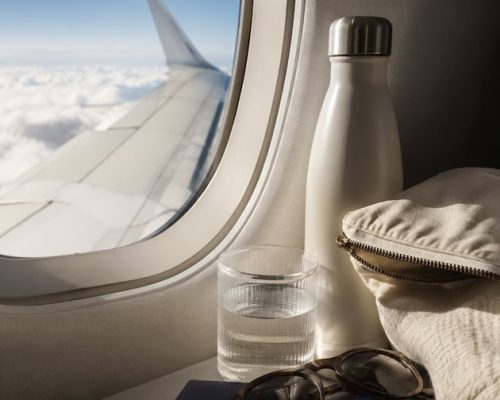
Summer travel is one of life’s great pleasures. Vacations offer opportunities to explore new places, enjoy different foods, spend time with family and friends, and step away from everyday routines. But after days or weeks of airports, road trips, restaurant meals, late nights, heat, and disrupted schedules, it is common to return home feeling tired, puffy, sluggish, or simply “off.”
That feeling often leads people to search for a post-travel detox. But your body does not generally need a special cleanse to remove accumulated “toxins.” Your liver, kidneys, lungs, digestive system, and other organs are continuously involved in processing and eliminating substances your body does not need. Instead of an extreme detox program, the healthiest post-travel reset is usually about returning to supportive habits.
Think of it as recovery rather than restriction.
Start With Hydration
Travel can make it surprisingly easy to become dehydrated. Long flights, hot weather, increased alcohol consumption, salty restaurant foods, and simply forgetting to drink water can all contribute.
Once you are home, make hydration a priority. Keep water nearby throughout the day and drink regularly rather than trying to consume a huge amount all at once. Fruits and vegetables with high water content can also contribute to overall fluid intake.
If you traveled somewhere hot or were particularly active, replacing electrolytes may be useful in certain circumstances. However, most people do not need elaborate “detox waters” or special beverages. Plain water and a balanced diet are usually enough for routine recovery.
Get Back to a Regular Sleep Schedule
Travel can disrupt your internal body clock, especially when crossing time zones. Even without jet lag, vacations often involve later nights and irregular wake-up times.
Sleep should be one of the first priorities when you return. Instead of trying to compensate with excessive caffeine or sleeping at random hours, gradually return to a consistent schedule.
Create a calming evening routine. Dim the lights, put away stimulating screens, and give yourself enough time to sleep. Morning exposure to natural light can also help reinforce a regular sleep-wake rhythm.
Good sleep supports virtually every aspect of recovery, including energy, mood, concentration, and the body’s normal restorative processes.
Move Your Body Gently
After sitting in cars or airplanes for hours, your body may feel stiff and heavy. The answer does not necessarily need to be an intense workout.
Start with walking, stretching, yoga, swimming, or another form of comfortable movement. Physical activity encourages circulation and gets muscles working again after long periods of inactivity.
If your normal exercise routine includes strength training or intense cardio, you can return to it when you feel ready. But there is no need to punish yourself for enjoying vacation. Movement should help you feel better, not serve as compensation for what you ate or drank while traveling.
Focus on Whole Foods
After several days of restaurant meals, snacks, desserts, and convenience foods, many people naturally crave simpler meals when they return home.
This is a good opportunity to emphasize whole, minimally processed foods. Build meals around vegetables, fruits, whole grains, beans, lean proteins, nuts, seeds, and healthy fats.
Fiber-rich foods can be particularly helpful for getting your digestive routine back on track. Vegetables, fruits, legumes, and whole grains provide fiber that supports normal digestion and regular bowel movements.
Rather than eliminating entire food groups, focus on adding nourishing foods. A colorful salad, vegetable soup, oatmeal with fruit, or a simple meal containing vegetables and protein can be a refreshing change after vacation eating.
Give Your Digestive System a Break
Travel can change digestion. Different foods, meal schedules, stress, dehydration, alcohol, and changes in activity can all affect how your digestive system feels.
You do not need to survive on juices or severely restrict your calories to “cleanse” your digestive system. In fact, extreme fasting or restrictive detox diets can leave you feeling weaker and may make it harder to return to normal eating.
Instead, establish regular meal times and give your body time to adjust. If your stomach feels sensitive, choose simpler meals for a few days and gradually return to your usual diet.
Support Your Lymphatic System Through Movement
Travel can sometimes leave people feeling temporarily swollen or puffy, particularly after long periods of sitting. Gentle movement, walking, stretching, and normal hydration can support healthy circulation and fluid balance.
Some people also enjoy gentle lymphatic massage as part of their post-travel self-care routine. Manual lymphatic drainage is a specialized technique intended to encourage lymph movement and is particularly relevant for certain types of swelling and lymphatic dysfunction.
It is important, however, not to confuse lymphatic massage with a generalized “toxin flush.” The lymphatic system is an important part of fluid balance and immune function, but massage does not magically remove toxins from the body.
If swelling is sudden, severe, painful, persistent, or associated with symptoms such as chest pain or difficulty breathing, seek medical attention rather than attempting to treat it as ordinary travel-related puffiness.
Reduce Alcohol and Excessive Sugar
Vacation often comes with cocktails, wine, desserts, and celebratory meals. There is nothing inherently wrong with enjoying these foods and drinks in moderation, but returning to your usual habits can help you feel more balanced.
Taking a break from alcohol after travel may improve sleep and hydration for many people. Similarly, reducing highly sugary foods while emphasizing balanced meals can help you return to a more consistent eating pattern.
The goal is not punishment. You do not need to “undo” vacation. You simply need to resume the habits that make you feel your best.
Spend Time Outdoors
After hours inside airports, vehicles, hotels, and conference centers, spending time outdoors can be surprisingly restorative.
A morning walk, an afternoon in the park, or simply sitting outside can combine several helpful habits at once: gentle movement, natural light, fresh air, and mental relaxation.
Nature can also provide a psychological transition between vacation and everyday life. Rather than rushing immediately back into a packed schedule, give yourself some space to decompress.
Don’t Forget Mental Detoxing
A post-travel reset is not only physical.
Returning from vacation can bring a surprising amount of stress. There may be laundry, emails, work deadlines, unpacking, errands, and a long list of responsibilities waiting at home.
Give yourself permission to transition gradually when possible. A few minutes of meditation, journaling, deep breathing, reading, or simply sitting quietly can help create a sense of calm.
Your body and mind are interconnected. Feeling rested and mentally settled can make it easier to return to healthy routines.
Skip the Extreme Detox
The wellness industry offers countless detox products promising to cleanse the body after indulgence. Detox teas, juice cleanses, supplements, fasting programs, and restrictive diets may sound appealing, but they are rarely necessary for healthy people.
Your body already has sophisticated systems for processing and eliminating waste. Supporting those systems through adequate nutrition, hydration, sleep, movement, and healthy habits is generally a more sensible approach than trying to force a dramatic “cleanse.”
Make Your Reset Sustainable
The best post-summer travel detox is not a three-day program. It is a return to balance.
- Drink water.
- Sleep well.
- Move regularly.
- Eat nourishing foods.
- Reduce alcohol if you’ve been drinking more than usual.
- Get outside.
- Give your digestion time to settle.
- And perhaps most importantly, avoid feeling guilty about enjoying your vacation.
Travel is meant to be experienced, not followed by punishment.
Your body is remarkably capable of returning to its normal rhythms when you give it the basics it needs. Rather than looking for a miracle detox, think of the days after summer travel as an opportunity to reconnect with healthy routines.
A gentle reset can leave you feeling energized, grounded, and ready for the season ahead—without extreme cleanses, deprivation, or complicated rules. Sometimes, the best detox is simply getting back to taking good care of yourself.