
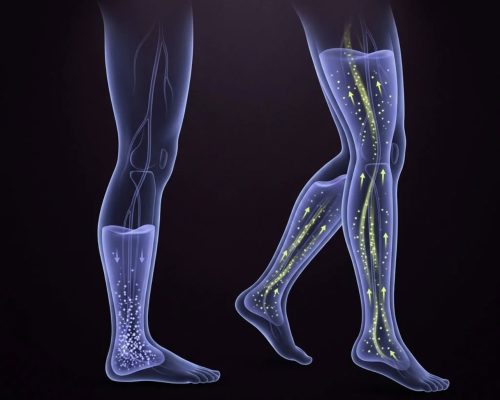
Have you ever woken up feeling puffy, swollen, sluggish, or like your body is simply not moving the way it should? Maybe your face looks a little more swollen than usual, your rings feel tight, or your legs feel heavy at the end of the day. Sometimes you may even feel like you’re carrying extra weight that doesn’t seem to match what you’ve been eating or how much you’ve been exercising.
That feeling of “stagnation” is something many people experience, especially in today’s sedentary, high-stress world.
We sit for long periods. We travel. We don’t always drink enough water. Stress keeps our bodies tense, and busy schedules can make movement and recovery an afterthought.
This is where lymphatic drainage therapy has become a popular wellness treatment.
Gentle lymphatic drainage massage is designed to encourage the movement of lymph fluid through the body’s natural pathways. It can complement healthy movement and hydration while helping you feel less puffy, more comfortable, and refreshed.
At Savvy Wellness, lymphatic drainage is part of a whole-body approach to wellness—because sometimes feeling better starts with getting things moving again.
What Does “Stagnation” Really Mean?
When people use the word stagnation in wellness conversations, they’re often describing a feeling rather than a medical diagnosis.
You may feel:
- Puffy
- Heavy
- Bloated
- Sluggish
- Stiff
- Congested
- Tired
- Generally “off”
These sensations can have many causes, including temporary fluid retention, prolonged sitting, travel, hormonal fluctuations, dehydration, diet, stress, or lack of movement.
Your body has several systems designed to continuously move fluids and waste products. When you’re inactive or under stress, you may notice changes in how your body feels.
The lymphatic system is one of those important systems.
Meet Your Lymphatic System
The lymphatic system is an extensive network of vessels, lymph nodes, tissues, and organs that helps maintain fluid balance and supports immune function.
It helps:
- Transport lymph fluid
- Move immune cells
- Maintain healthy fluid levels
- Transport certain proteins and fats
- Support the body’s natural waste-removal processes
Unlike your cardiovascular system, the lymphatic system doesn’t have a central pump like the heart.
Instead, lymph movement depends on things like:
- Muscle contractions
- Walking and exercise
- Deep breathing
- Hydration
- Body movement
- Healthy circulation
This is why an active lifestyle is so important for lymphatic health.
Why You May Feel Puffy
Puffiness is often related to temporary fluid retention.
You might notice it after:
- A long flight
- Sitting at a desk all day
- Eating a high-sodium meal
- Poor sleep
- Hot weather
- Hormonal changes
- Intense exercise
- Certain medications
Facial puffiness is particularly noticeable because even small changes in fluid can change the appearance of the face.
The same thing can happen in the hands, legs, ankles, and abdomen.
Lymphatic drainage therapy may help encourage movement of excess interstitial fluid, which can temporarily reduce the appearance or sensation of puffiness in some people.
How Lymphatic Drainage Therapy Works
Lymphatic drainage massage is very different from traditional deep-tissue massage.
Instead of firm pressure, it uses light, rhythmic, directional movements designed to encourage lymph flow.
The goal isn’t to “squeeze toxins out” of the body.
Rather, the techniques are intended to support the natural movement of lymph fluid toward functioning lymphatic pathways and nodes.
Many clients describe the treatment as:
- Gentle
- Relaxing
- Restorative
- Light
- Calming
Some people notice a temporary reduction in swelling or puffiness after a session, while others primarily enjoy the relaxation and sense of lightness.
Supporting Healthy Circulation
The circulatory and lymphatic systems are different, but they work together to maintain fluid balance throughout the body.
Blood vessels deliver oxygen and nutrients to tissues. Some fluid naturally moves from blood vessels into surrounding tissues. The lymphatic system helps collect and return excess fluid to circulation.
Healthy movement supports both systems.
Exercise, walking, stretching, and regular body movement all help keep fluids moving.
Lymphatic drainage therapy can complement these habits by providing gentle manual stimulation of the lymphatic system.
Why Sitting Can Make You Feel Heavy
Modern life involves a lot of sitting.
We sit at work. We sit in cars. We sit on airplanes. We sit while watching television.
Long periods of inactivity can contribute to feelings of stiffness and heaviness, particularly in the legs.
That’s why one of the simplest things you can do for circulation is get up and move.
Try:
- Taking a five-minute walking break every hour
- Stretching your legs
- Doing calf raises
- Walking after meals
- Taking the stairs
- Practicing deep breathing
Small amounts of movement throughout the day can add up.
Hydration Is Essential
Lymph is largely composed of water, making hydration an important part of supporting normal lymphatic function.
When you’re dehydrated, you may feel:
- Tired
- Headachy
- Sluggish
- Constipated
- Less energized
Drinking enough water throughout the day supports normal circulation, digestion, and fluid balance.
If you’re receiving lymphatic drainage therapy, staying appropriately hydrated is a simple way to support your overall wellness routine.
The Stress Connection
Stress doesn’t just affect your mood.
When you’re stressed, your body can become tense. Your breathing may become shallow, your muscles may tighten, and you may move less.
Chronic stress can also affect sleep, digestion, appetite, and overall recovery.
Lymphatic drainage massage can be deeply relaxing, which is one reason many clients incorporate it into their self-care routine.
The gentle, repetitive movements can encourage the body to shift toward a calmer state.
Sometimes your body needs less stimulation—not more.
Lymphatic Drainage and Hormonal Changes
Hormonal fluctuations can influence fluid balance.
Many women notice increased puffiness or bloating around their menstrual cycle, pregnancy, or during perimenopause and menopause.
Lymphatic drainage doesn’t regulate hormones, but it may help support comfort when temporary fluid retention accompanies hormonal changes.
For women navigating changing hormones, lymphatic therapy can be one part of a broader wellness strategy that includes nutrition, strength training, sleep, stress management, and appropriate medical care.
Supporting a “Less Puffy” Look
Lymphatic massage has also become popular in the beauty and aesthetics world.
Facial lymphatic massage can temporarily reduce the appearance of puffiness and create a more sculpted, refreshed appearance.
Body lymphatic treatments may similarly help reduce temporary fluid retention, making the body feel less swollen or heavy.
This is one reason people often schedule lymphatic sessions before:
- Vacations
- Weddings
- Special events
- Photoshoots
- Travel
The goal isn’t fat loss. It’s supporting fluid movement and helping you feel comfortable in your body.
Creating Your Own Anti-Stagnation Routine
You don’t need to wait for a massage appointment to support healthy lymphatic flow.
Create a simple daily routine:
Morning: Start with a glass of water and a few minutes of deep breathing.
During the day: Get up regularly and walk or stretch.
Exercise: Include both cardiovascular movement and strength training.
Evening: Wind down with gentle stretching, relaxation, or restorative movement.
Weekly: Consider incorporating lymphatic drainage therapy, massage, sauna, or other recovery-focused wellness services if appropriate for you.
Consistency is more important than intensity.
When Lymphatic Drainage May Not Be Appropriate
Lymphatic drainage therapy isn’t appropriate for everyone.
People with certain medical conditions—including active infections, unexplained swelling, some heart or kidney conditions, or suspected blood clots—may need medical evaluation before receiving lymphatic massage.
If you have new, sudden, or unexplained swelling, especially if it occurs on one side of the body or is accompanied by pain, redness, warmth, chest pain, or shortness of breath, seek medical care rather than assuming it’s simply lymphatic stagnation.
A qualified practitioner can help determine whether lymphatic therapy is appropriate for your wellness goals.
The Savvy Approach to Feeling Less Stagnant
At Savvy Wellness, we believe wellness is about helping your body do what it was designed to do.
That means supporting movement, hydration, recovery, relaxation, and healthy lifestyle habits.
Lymphatic drainage therapy can be a beautiful addition to that approach. Combined with regular exercise, deep breathing, hydration, nutritious food, quality sleep, and stress management, it can help you feel more comfortable, relaxed, and refreshed.
The Bottom Line
Feeling puffy or sluggish doesn’t necessarily mean something is wrong with your body. Often, it’s a reminder to slow down, move, hydrate, and pay attention to what your body needs.
The lymphatic system plays an important role in fluid balance and immune function, and it depends on movement to keep lymph flowing.
Lymphatic drainage therapy offers a gentle way to support that process while providing the added benefit of deep relaxation.
When you combine lymphatic therapy with everyday movement and healthy lifestyle choices, you’re not chasing a quick fix. You’re creating a routine that supports circulation, recovery, and whole-body wellness.
Sometimes feeling better really does start with getting things moving again.