
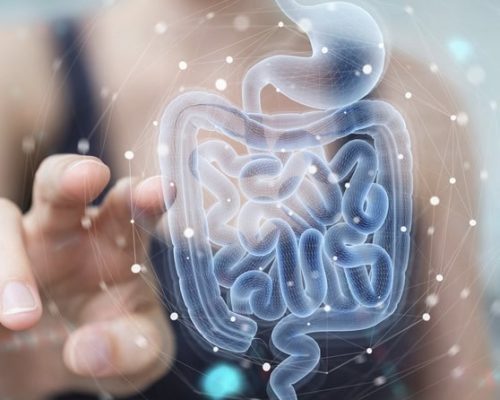
When it comes to wellness, gut health has become one of the biggest conversations—and for good reason. Your digestive system does much more than break down food. The gut is home to trillions of microorganisms that interact with your immune system, influence digestion, and communicate with other systems throughout the body.
What many people don’t realize is that gut health is also closely connected to the lymphatic system.
Your gut, immune system, and lymphatic system are constantly communicating. When these systems are supported through nourishing food, healthy lifestyle habits, movement, hydration, and beneficial bacteria, they can work together to help maintain balance throughout the body.
One of the most popular ways people support their gut microbiome is through probiotics.
But what exactly are probiotics, and how do they fit into the bigger picture of immunity and lymphatic health?
What Are Probiotics?
Probiotics are live microorganisms that, when consumed in adequate amounts, may provide health benefits.
Your digestive tract naturally contains a vast community of bacteria and other microorganisms collectively known as the gut microbiome.
A healthy microbiome contains a diverse mix of microorganisms that interact with your digestive system, immune system, and metabolism.
Probiotics can be found in certain fermented foods and dietary supplements.
Common probiotic foods include:
- Yogurt with live cultures
- Kefir
- Sauerkraut
- Kimchi
- Miso
- Tempeh
- Some fermented vegetables
Different probiotic strains have different properties, so choosing a probiotic isn’t simply about finding the product with the largest number of organisms. The specific strains and amounts matter.
Why Gut Health Matters
Your digestive system plays a central role in overall wellness.
The gut helps:
- Digest food
- Absorb nutrients
- Maintain the intestinal barrier
- Interact with immune cells
- Communicate with the nervous system
- Support the balance of the microbiome
When your digestive system is functioning well, you may feel more comfortable, energized, and resilient.
When it’s struggling, you may notice changes such as bloating, irregular bowel movements, digestive discomfort, or changes in how you feel overall.
Gut health is highly individual, and digestive symptoms can have many different causes. That’s why paying attention to your body’s signals is so important.
Your Gut and Your Immune System
One of the most fascinating aspects of gut health is its connection to immunity.
A significant portion of the body’s immune tissue is located in and around the gastrointestinal tract. The gut is constantly exposed to food particles and microorganisms, so the immune system has to carefully distinguish between what is harmless and what may pose a threat.
The gut microbiome interacts with immune cells and helps influence immune responses.
A diverse and balanced microbiome may support healthy immune function, while disruptions in the microbiome can influence the body’s immune environment.
This is one reason nutrition and gut health have become such an important part of conversations around whole-body wellness.
The Gut-Lymphatic Connection
Now let’s talk about the lymphatic system.
The lymphatic system is a network of vessels, lymph nodes, and tissues that plays an important role in immune function and fluid balance.
It helps transport immune cells, maintain fluid levels in tissues, and return certain substances to the bloodstream.
The digestive system has its own extensive lymphatic network.
In fact, specialized lymphatic vessels in the small intestine called lacteals play an important role in absorbing dietary fats and transporting them through the lymphatic system.
This means your gut and lymphatic system aren’t separate—they are physically and functionally connected.
The Gut-Lymph-Immune Highway
Think of the gut, lymphatic system, and immune system as a team.
Food enters the digestive tract. Nutrients are broken down and absorbed. The intestinal immune system monitors what’s happening in the gut, while lymphatic vessels transport certain fats and immune-related substances.
Meanwhile, the microbiome interacts with the intestinal environment and helps influence immune activity.
It’s an intricate network that demonstrates just how interconnected the body really is.
This is one reason a holistic approach to wellness can be so valuable.
Instead of focusing on one symptom or one system, we can look at the bigger picture.
How Probiotics May Support Immune Health
Research suggests that certain probiotic strains may support aspects of immune function, although benefits vary depending on the strain, dose, and individual.
Probiotics may interact with the intestinal lining and immune cells, potentially helping maintain a healthy gut environment.
Some research has also explored probiotics in relation to the duration or severity of certain gastrointestinal and respiratory infections.
However, probiotics aren’t a guarantee against illness, and more isn’t necessarily better.
The best probiotic depends on the individual and the specific goal.
Supporting a Healthy Gut Microbiome Naturally
Before reaching for a supplement, start with the basics.
Your gut bacteria thrive on dietary diversity.
Try incorporating a variety of:
Fiber-Rich Foods
Vegetables, fruits, beans, lentils, nuts, seeds, and whole grains provide fiber that can nourish beneficial microbes.
Colorful Plants
Different plant foods contain different types of fibers and plant compounds. Eating a wide variety can help support microbiome diversity.
Fermented Foods
Foods such as yogurt, kefir, kimchi, and sauerkraut can provide beneficial microorganisms.
Adequate Hydration
Water supports digestion and normal bowel function and is also important for healthy lymphatic circulation.
Movement Matters for Your Gut and Lymphatic System
Your body was designed to move.
Regular movement supports digestion, circulation, and lymphatic flow.
Walking after meals, stretching, strength training, yoga, and other forms of physical activity can all be part of a gut-friendly lifestyle.
The lymphatic system does not have a central pump like the heart. Muscle contractions and breathing help move lymph fluid throughout the body.
This is another reason daily movement is such an important part of whole-body wellness.
Stress Can Affect the Gut
The gut and brain communicate constantly through what is commonly called the gut-brain axis.
Stress can influence digestion, appetite, bowel habits, and the gut environment.
When life becomes stressful, some people experience:
- Bloating
- Changes in bowel movements
- Digestive discomfort
- Appetite changes
Supporting the nervous system is therefore an important part of gut health.
Consider incorporating simple stress-management practices such as:
- Deep breathing
- Meditation
- Walking outdoors
- Prayer
- Journaling
- Massage
- Time away from screens
Sometimes supporting gut health means creating more calm in your life.
Supporting Lymphatic Health
Along with movement and hydration, there are several wellness practices that can complement healthy lymphatic function.
These may include:
- Deep diaphragmatic breathing
- Regular exercise
- Lymphatic drainage massage
- Stretching
- Adequate hydration
- Quality sleep
Lymphatic drainage massage uses gentle, rhythmic techniques designed to encourage lymph movement and promote relaxation.
It doesn’t replace medical treatment for lymphatic disorders, but it can be a relaxing addition to a wellness routine for appropriate individuals.
Choosing a Probiotic
If you decide to try a probiotic supplement, look beyond the front of the bottle.
Consider:
- The specific strains included
- The amount provided
- Storage requirements
- Expiration date
- Quality and manufacturing standards
- Whether the product has been tested for identity and purity
A probiotic that works for one person may not work for another.
If you have a medical condition, take medications, are pregnant, or have a compromised immune system, talk with your healthcare provider before starting a probiotic supplement.
The Savvy Approach to Gut and Lymphatic Wellness
At Savvy Wellness, we believe the body works as a connected system.
Gut health isn’t isolated from immune health. Immune health isn’t isolated from lymphatic health. And none of these systems operate independently from sleep, nutrition, movement, stress, or hydration.
That’s why a whole-body approach can be so valuable.
Supporting your gut with nourishing foods, beneficial bacteria, hydration, movement, and healthy lifestyle choices can create a strong foundation for overall wellness.
The Bottom Line
Your gut is much more than a digestive system. It is a dynamic environment that communicates with your immune system, nervous system, and lymphatic system every day.
Probiotics can be one tool for supporting a healthy gut microbiome, but they work best as part of a bigger picture that includes a diverse, fiber-rich diet, fermented foods, regular movement, hydration, quality sleep, and stress management.
The lymphatic system adds another important piece to the puzzle, connecting digestion, immunity, fluid balance, and nutrient transport.
When you support the systems that support you, you create a stronger foundation for feeling your best.
At Savvy Wellness, we believe wellness isn’t about chasing the latest quick fix. It’s about understanding your body, making thoughtful choices, and creating daily habits that help you feel balanced, energized, and resilient—from the inside out.