
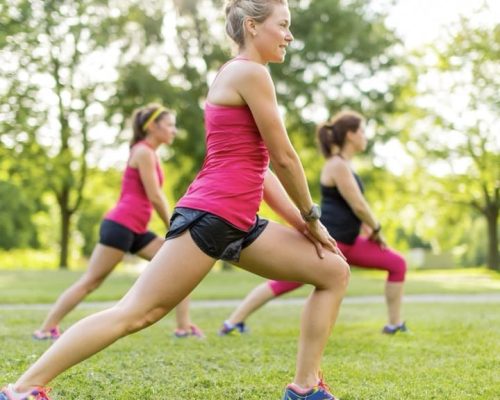
When people think about exercise, they usually think about losing weight, building muscle, or improving heart health. While those are certainly important benefits, regular movement also supports one of the body’s most overlooked systems—the lymphatic system.
Unlike your circulatory system, which has the heart to pump blood throughout the body, your lymphatic system has no pump. Instead, it relies on movement to keep lymph fluid flowing. That’s why exercise is one of the most effective and natural ways to support healthy lymphatic drainage.
At Savvy Wellness, we often tell clients that movement is medicine for the lymphatic system. Whether it’s taking a brisk walk, lifting weights, stretching, or rebounding on a mini trampoline, every movement helps encourage the natural flow of lymph throughout the body.
Let’s take a closer look at why exercise is essential for lymphatic health and how you can keep your body’s natural drainage system moving.
What Is the Lymphatic System?
Think of your lymphatic system as your body’s cleanup crew.
It is a network of vessels, lymph nodes, and organs that helps:
- Maintain healthy fluid balance
- Support immune function
- Transport white blood cells
- Remove cellular waste
- Carry proteins and other substances back into circulation
- Support the body’s natural detoxification processes
Every day your cells produce waste products that need to be removed. The lymphatic system works alongside the liver, kidneys, digestive system, lungs, and skin to help clear this waste and keep your body functioning efficiently.
But unlike blood, which is constantly pumped by the heart, lymph fluid depends almost entirely on your body’s movement.
Why Lymph Needs Movement
Imagine a slow-moving stream. If the water continues flowing, it stays fresh and clear. But if the water stops moving, it becomes stagnant.
Your lymphatic system works in a similar way.
When you’re active, muscles contract and relax, gently squeezing lymphatic vessels and helping move lymph fluid through the body.
When you’re sedentary for long periods, lymph circulation can slow, which may contribute to:
- Puffiness
- Swelling
- Feelings of heaviness
- Fatigue
- Stiffness
- Sluggishness
While these symptoms can have many causes, regular movement is one of the simplest ways to support healthy lymph flow.
1. Walking Is One of the Best Exercises for Lymphatic Health
You don’t need an intense workout to benefit your lymphatic system.
Walking is one of the easiest and most effective ways to stimulate lymph flow.
As your legs and core muscles contract, they help gently move lymph throughout the body.
Even a 20- to 30-minute walk each day can:
- Encourage circulation
- Reduce stiffness
- Support immune health
- Promote healthy lymph movement
It’s free, accessible, and suitable for almost everyone.
2. Strength Training Creates a Natural Pump
Every time your muscles contract during resistance training, they help compress nearby lymphatic vessels.
This pumping action encourages lymph fluid to move toward the lymph nodes, where it can be filtered before returning to circulation.
Strength training also helps preserve muscle mass, which becomes increasingly important as we age.
Healthy muscles support:
- Better circulation
- Improved mobility
- Stronger metabolism
- Long-term lymphatic function
3. Rebounding Is a Lymphatic Favorite
One of the most popular exercises for lymphatic wellness is rebounding—gentle bouncing on a mini trampoline.
The up-and-down motion creates changes in gravity that may encourage lymph movement throughout the body.
Many wellness enthusiasts enjoy rebounding because it is:
- Low impact
- Easy on the joints
- Fun
- Suitable for many fitness levels
Just a few minutes a day can be a simple addition to a lymph-friendly routine.
4. Yoga Encourages Gentle Lymph Flow
Yoga combines movement, stretching, deep breathing, and relaxation—all of which support healthy lymphatic circulation.
Twisting poses, forward folds, and gentle inversions may encourage fluid movement while improving flexibility.
Equally important, yoga activates the parasympathetic nervous system, helping reduce stress that can negatively affect overall wellness.
5. Deep Breathing Helps Move Lymph
One of the body’s most important lymphatic pumps is the diaphragm.
When you take slow, deep breaths, your diaphragm moves up and down, creating gentle pressure changes within the chest and abdomen.
This natural pumping action helps encourage lymph movement.
Exercise naturally increases breathing depth, making it an excellent way to support both oxygen delivery and lymphatic circulation.
6. Exercise Improves Circulation
Although the circulatory and lymphatic systems perform different jobs, they work closely together.
Exercise improves blood flow, which helps deliver oxygen and nutrients to tissues throughout the body.
Healthy circulation also supports the movement of lymph fluid and contributes to overall wellness.
7. Movement Helps Reduce Fluid Retention
Have you ever noticed swollen ankles after sitting all day or puffiness after a long flight?
Remaining still for extended periods allows fluid to collect in the lower body.
Simple movement—standing, stretching, or walking—helps encourage healthy fluid movement and may reduce feelings of heaviness or swelling.
This is one reason healthcare providers often recommend getting up and moving regularly during long periods of sitting.
8. Exercise Supports Immune Health
The lymphatic system is a major part of your immune system.
Lymph nodes filter lymph fluid and house immune cells that help defend the body against harmful invaders.
Regular, moderate exercise supports healthy immune function by promoting circulation and encouraging immune cells to move efficiently throughout the body.
Combined with good nutrition, sleep, and stress management, movement is one of the pillars of a strong immune system.
9. Exercise Helps Manage Stress
Stress affects every system in the body, including the nervous system and immune system.
Chronic stress often leads to muscle tension, shallow breathing, and reduced physical activity—all of which may indirectly slow lymphatic flow.
Exercise helps reduce stress by stimulating the release of endorphins, improving mood, and encouraging relaxation after activity.
When your nervous system is more balanced, your body functions more efficiently overall.
10. Exercise Supports Long-Term Wellness
Healthy lymphatic flow is about more than reducing puffiness or swelling. It’s part of a bigger picture of overall health.
Regular movement supports:
- Energy levels
- Healthy aging
- Joint mobility
- Muscle strength
- Cardiovascular health
- Brain function
- Metabolic health
- Recovery
Exercise helps nearly every system in the body work together more efficiently.
Tips for Supporting Lymphatic Drainage Every Day
Exercise is one of the best ways to support lymph flow, but combining movement with other healthy habits can provide even greater benefits.
Try these simple strategies:
- Walk daily.
- Stretch throughout the day.
- Practice deep diaphragmatic breathing.
- Stay well hydrated.
- Strength train two to three times per week.
- Try yoga or Pilates.
- Rebound for a few minutes several times a week.
- Avoid sitting for long periods without moving.
- Prioritize quality sleep.
- Consider lymphatic drainage massage as part of your wellness routine.
Small, consistent habits often produce the biggest results over time.
A Whole-Body Approach to Wellness
The body is designed to move. Every step you take, every deep breath you inhale, and every stretch you perform helps support the incredible systems working quietly behind the scenes.
At Savvy Wellness, we believe the best wellness plans combine healthy lifestyle habits with therapies that complement the body’s natural healing processes.
Lymphatic drainage massage, red light therapy, infrared sauna sessions, hydration, proper nutrition, and regular movement all work together to help support a healthy, vibrant body.
The Bottom Line
Your lymphatic system depends on movement to do its job well. Because it doesn’t have a pump like your heart, exercise becomes one of the most powerful tools for keeping lymph fluid flowing.
Whether you’re walking around your neighborhood, lifting weights, practicing yoga, or bouncing on a rebounder, every movement helps support circulation, immune health, fluid balance, and overall wellness.
You don’t have to exercise perfectly or spend hours in the gym. The key is consistency.
Move your body every day, and you’ll be supporting one of the most important—and often overlooked—systems in your body. Your lymphatic system will thank you, and your overall health may benefit for years to come.