
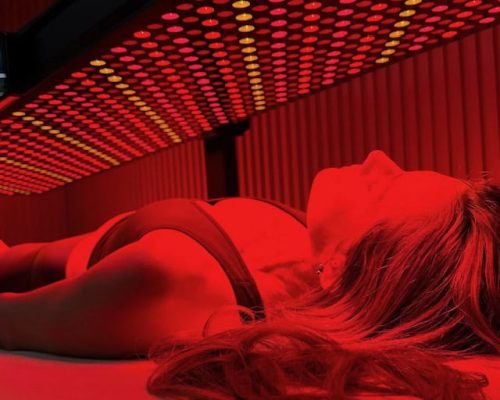
In recent years, red light therapy has rapidly moved from niche wellness circles into mainstream medicine, athletic recovery, skincare clinics, and luxury wellness centers. Once viewed as an alternative therapy, red light therapy is now gaining recognition from healthcare professionals, researchers, biohackers, and wellness experts for its potential to support healing, reduce inflammation, improve skin health, and enhance cellular function.
From professional athletes and celebrities to medspas and recovery clinics, red light therapy has become one of the fastest-growing trends in modern wellness and regenerative medicine. Its appeal lies in its ability to support the body naturally, without invasive procedures or lengthy downtime.
As interest in preventative health and longevity continues to rise, red light therapy is emerging as a powerful tool for optimizing overall well-being.
What Is Red Light Therapy?
Red light therapy, also known as low-level light therapy (LLLT) or photobiomodulation, uses specific wavelengths of red and near-infrared light to penetrate the skin and tissues.
These wavelengths are believed to stimulate cellular energy production by interacting with mitochondria, often referred to as the “powerhouses” of cells.
Mitochondria produce ATP (adenosine triphosphate), which fuels cellular activity throughout the body. When cells produce energy more efficiently, tissues may repair and regenerate more effectively.
Unlike ultraviolet (UV) light from the sun, red light therapy does not damage the skin or cause burning when used properly.
Why Red Light Therapy Is Becoming So Popular
Modern medicine is increasingly shifting toward treatments that are:
- Non-invasive
- Preventative
- Recovery-focused
- Holistic
- Science-backed
- Low-risk
Red light therapy fits perfectly into this new healthcare model.
People today are looking for ways to improve health proactively rather than waiting until illness develops. Red light therapy appeals to this mindset because it may help support the body’s natural healing and recovery processes.
1. Supports Cellular Energy Production
One of the biggest reasons red light therapy is trending is its connection to cellular energy.
Research suggests that red and near-infrared light may help mitochondria function more efficiently, increasing ATP production.
This matters because nearly every process in the body depends on cellular energy, including:
- Tissue repair
- Muscle recovery
- Skin regeneration
- Brain function
- Immune support
- Energy levels
Improving mitochondrial function has become a major focus in modern longevity and biohacking medicine.
2. Reduces Inflammation Naturally
Chronic inflammation is linked to many modern health concerns, including:
- Joint pain
- Fatigue
- Aging
- Heart disease
- Metabolic issues
- Skin conditions
Red light therapy is gaining attention for its ability to help reduce inflammatory stress in tissues.
Many users report relief from:
- Muscle soreness
- Joint stiffness
- Exercise recovery issues
- Chronic tension
Because inflammation plays such a major role in overall health, therapies that support anti-inflammatory pathways are becoming increasingly valuable.
3. Major Growth in Skincare and Anti-Aging
One of the most visible uses of red light therapy is in aesthetic medicine and skincare.
Luxury medspas and dermatology clinics often use red light therapy to support:
- Collagen production
- Skin firmness
- Reduced appearance of fine lines
- Improved skin tone
- Acne support
- Reduced redness and inflammation
The treatment is attractive because it is gentle, painless, and requires no downtime.
As consumers seek non-invasive anti-aging treatments, red light therapy has become a preferred option for people wanting natural skin rejuvenation.
4. Athletic Recovery and Performance Support
Professional athletes and fitness enthusiasts have embraced red light therapy for recovery and performance optimization.
Recovery is now viewed as just as important as training itself. Red light therapy may help support:
- Faster muscle recovery
- Reduced soreness
- Improved circulation
- Joint comfort
- Tissue repair
Many high-performance gyms and recovery lounges now include red light therapy alongside cryotherapy, infrared sauna, and compression therapy.
5. Biohacking and Longevity Trends
Biohacking culture has played a major role in the popularity of red light therapy.
Modern wellness consumers are increasingly interested in:
- Longevity
- Cellular optimization
- Energy enhancement
- Cognitive performance
- Healthy aging
Because red light therapy works at the cellular level, it aligns closely with these goals.
It is now commonly found in:
- longevity clinics
- wellness clubs
- recovery studios
- functional medicine practices
- luxury health spas
6. Supports Mental Wellness and Mood
Emerging research suggests that light exposure may also influence mood, stress regulation, and mental well-being.
While more studies are ongoing, some users report feeling:
- calmer
- more energized
- mentally refreshed
- less stressed after sessions
The relaxing nature of treatment itself may also contribute to nervous system support.
As mental wellness becomes a greater focus in healthcare, therapies that encourage relaxation and recovery continue to grow in popularity.
7. Non-Invasive and Low Risk
One of the biggest reasons red light therapy appeals to modern medicine is its safety profile.
Unlike invasive procedures or medications, red light therapy is generally:
- painless
- non-surgical
- drug-free
- easy to tolerate
- requires little to no recovery time
This makes it accessible to a wide range of individuals seeking wellness support.
Why Medspas and Wellness Clinics Are Investing in Red Light Therapy
Luxury wellness centers are increasingly adding red light therapy because it complements multiple services and wellness goals.
It pairs well with:
- IV therapy
- lymphatic drainage
- cryotherapy
- body contouring
- facials
- sauna therapy
- recovery programs
Clients appreciate treatments that help them feel both healthier and more energized while supporting beauty and longevity goals simultaneously.
The Shift Toward Preventative Medicine
Traditional healthcare has often focused on treating illness after it develops. Modern wellness is shifting toward prevention and optimization.
People now want to:
- age better
- maintain energy longer
- reduce inflammation naturally
- recover faster
- improve quality of life proactively
Red light therapy aligns with this preventative health movement because it supports the body before major dysfunction occurs.
What a Red Light Therapy Session Feels Like
Sessions are typically relaxing and comfortable. Clients sit or lie near specialized red light panels or devices for several minutes.
Most people experience:
- gentle warmth
- calming light exposure
- no pain or discomfort
- a spa-like atmosphere
Sessions often last between 10 and 30 minutes depending on the device and treatment goals.
Consistency Matters
Like many wellness therapies, red light therapy often works best with consistency.
Many users incorporate it into weekly or ongoing routines as part of:
- recovery plans
- anti-aging protocols
- athletic training
- stress management
- wellness memberships
Benefits may build gradually over time.
Important Considerations
Although generally considered safe, red light therapy is not intended to replace medical treatment for serious conditions.
People with certain medical concerns or photosensitivity should consult a healthcare professional before beginning treatment.
Choosing high-quality devices and trained providers is also important for safety and effectiveness.
The Future of Red Light Therapy
As research continues, red light therapy is likely to become even more integrated into mainstream healthcare and wellness.
Its ability to support:
- recovery
- cellular health
- anti-aging
- inflammation reduction
- wellness optimization
makes it highly appealing in a world increasingly focused on longevity and preventative medicine.
The future of healthcare is moving toward therapies that help the body heal smarter, recover faster, and age more gracefully — and red light therapy is at the center of that movement.
Conclusion
Red light therapy is trending in modern medicine because it represents a new era of wellness: non-invasive, recovery-focused, science-supported, and centered on optimizing the body naturally.
From improving skin health and reducing inflammation to supporting recovery and cellular energy, its applications continue to expand across medicine, aesthetics, and longevity care.
As people seek smarter ways to protect their health and vitality, red light therapy offers a promising bridge between modern science and holistic wellness.
Sometimes healing is not about forcing the body harder — it’s about giving cells the light and energy they need to function at their best.