
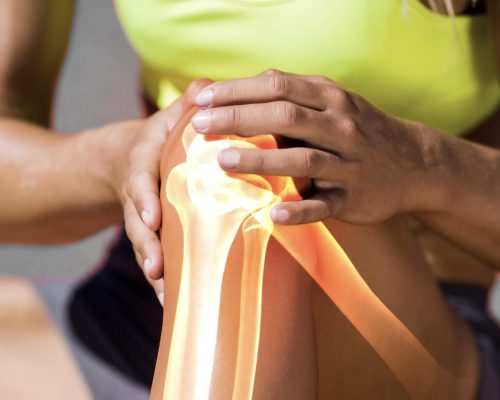
Inflammation is a natural part of the body’s defense system. When the body detects an injury, infection, orother threat, the immune system responds by sending fluids, immune cells, and signaling molecules to the affected area. This process is essential for healing, but when inflammation persists or becomes excessive, it can contribute to discomfort, swelling, stiffness, and other problems. One approach that may support the body’s fluid movement and promote relaxation is lymphatic massage, sometimes called manual lymphatic drainage.
Lymphatic massage is a gentle form of hands-ontherapy designed to encourage the movement of lymph fluid through the lymphatic system. Unliketraditional deep-tissue massage, which often uses firm pressure to work on muscles, lymphatic techniques generally involve light, rhythmic movements of the skin. The goal is not to force fluidthrough the tissues but to support the body’s naturallymphatic circulation.
The lymphatic system is an important part of thebody’s circulatory and immune systems. It consists of a network of vessels, lymph nodes, and organs that help transport lymph throughout the body. Lymph is a fluid containing water, proteins, immune cells, and other substances collected from tissues. Eventually, lymph returns to the bloodstream after passing through the lymphatic network.
When the lymphatic system is functioning normally, fluid moves continuously through this network. However, injury, surgery, certain medical conditions, ordamage to lymphatic vessels can interfere with this process. Fluid may accumulate in tissues, resulting in swelling known as lymphedema. In appropriate circumstances, manual lymphatic drainage can be used as part of a treatment plan to help manage this type of swelling.
One reason lymphatic massage may help with inflammation-related discomfort is its potential effect on excess fluid. Swollen tissues can feel tight, heavy, or uncomfortable. Gentle massage may encourage fluid movement away from congested areas andtoward functioning lymphatic pathways. Reducing excess fluid can sometimes make an area feel less tense and improve comfort.
The relationship between lymphatic massage andinflammation, however, requires some nuance. Lymphatic massage does not simply “flush inflammation out” of the body. Inflammation involves a complex immune response, and massage cannot eliminate its underlying cause. Instead, lymphatic techniques may support fluid circulation and relaxation, potentially helping manage some of the swelling and discomfort associated with certain conditions.
Another possible benefit is relaxation. Stress affects the body in numerous ways, including influencing muscle tension, sleep, mood, and physiologicalresponses associated with the stress system. A gentlemassage session can create an opportunity to slow down and relax. Although relaxation should not be confused with directly treating an inflammatory disease, reducing stress and improving overall well-being can be valuable components of a healthy lifestyle.
The gentle nature of lymphatic massage is one of its distinguishing characteristics. A trained practitioner typically uses slow, rhythmic strokes and very light pressure. The technique is intended to work primarilywith the superficial tissues where many lymphatic vessels are located. This is quite different from vigorous massage techniques designed to manipulate deeper muscles.
Lymphatic massage is particularly associated with themanagement of lymphedema. For people withlymphedema, it may be included in a broader approach known as complete decongestive therapy.Depending on the individual’s circumstances, this approach can include compression, exercise, skin care, and specialized manual techniques. Treatment should be tailored to the person’s condition rather than approached as a one-size-fits-all wellness treatment.
There is also growing interest in lymphatic massage after certain surgical procedures, particularly when swelling is expected during recovery. Some peopleseek massage following cosmetic procedures, orthopedic surgery, or cancer treatment. However, whether massage is appropriate depends heavily onthe procedure, the individual’s health, and the stage ofrecovery. A healthcare professional should provideguidance before massage is used after surgery.
It is important to understand that lymphatic massage is not appropriate for everyone. Acute infections, certain heart conditions, blood clots, unexplained swelling, and some other medical conditions can make massage unsafe or require special precautions. Someone experiencing sudden or unexplained swelling, significant pain, redness, warmth, fever, or difficulty breathing should seek medical evaluation rather than attempting to treat the symptoms withmassage.
Choosing a properly trained practitioner is also important. Lymphatic drainage is a specialized technique, and the quality of treatment can depend onthe practitioner’s education and experience. Peoplewith diagnosed lymphedema or other medicalconditions should consider working with a healthcare professional or therapist who has appropriate trainingin lymphatic disorders.
There are also simple habits that can complement healthy lymphatic function. Regular movement is important because muscle contractions help support the movement of lymph fluid. Walking, gentle exercise, and other activities appropriate for a person’s fitness and medical situation can encourage circulation. Staying hydrated, caring for the skin, maintaining a healthy weight when appropriate, and following medical recommendations can also support overall health.
It is tempting to think of lymphatic massage as a detox treatment, but that description can be misleading. Thebody already has sophisticated systems forprocessing and removing waste, including the liver, kidneys, lungs, digestive system, and lymphatic system. Massage should not be promoted as a way to “remove toxins” from the body or cure systemic inflammation. Its more realistic potential benefitsinvolve supporting fluid movement, managing certaintypes of swelling, and promoting relaxation.
For people dealing with chronic inflammatoryconditions, lymphatic massage should likewise beconsidered complementary rather than curative. Conditions such as rheumatoid arthritis, inflammatorybowel disease, or other immune-related disorders require appropriate medical diagnosis and treatment. Massage may provide comfort for some individuals, but it should never replace prescribed medication or professional care.
Ultimately, lymphatic massage offers a gentleapproach that may help certain people manage swelling and experience greater physical relaxation. Its strongest established role is in situations involvinglymphatic dysfunction, particularly lymphedema, where specialized treatment can be an important partof care. Claims that it universally “calms inflammation” or detoxifies the body go beyond what the evidence supports.
The lymphatic system is a remarkable network that quietly works every day to maintain fluid balance and support immune function. Lymphatic massage can complement these natural processes in appropriatecircumstances, particularly when performed by a qualified professional. Used thoughtfully, it may provide relief from swelling and a sense of relaxation while supporting a broader approach to health.
The key is to view lymphatic massage as supportive care rather than a cure. Understanding what it can—and cannot—do allows people to use the technique safely and realistically. When combined withappropriate medical care, movement, healthy habits, and attention to the underlying cause of inflammation or swelling, gentle lymphatic massage can be one useful tool for improving comfort and quality of life.