
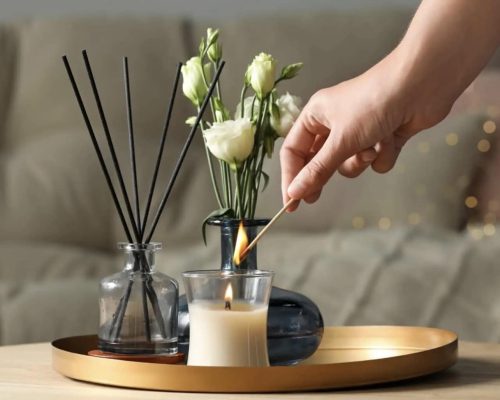
The Hidden Toxicity in Candles and Fragrances: What You Need to Know
Scent has a powerful effect on how we feel. A warm vanilla candle can create comfort, a floral fragrance can uplift mood, and a clean linen spray can make a space feel fresh and inviting. But behind many of these pleasant aromas lies a hidden concern: toxic chemicals that can impact your health over time.
As awareness grows around indoor air quality and environmental health, more people are questioning what’s really in their candles and fragrances. The truth is, many conventional products contain ingredients that may disrupt hormones, irritate the respiratory system, and contribute to long-term health issues.
Understanding the potential toxicity in these everyday items is the first step toward creating a healthier home environment.
Why Indoor Air Quality Matters
Most people assume outdoor pollution is the primary threat to air quality. However, indoor air can often be more polluted than the air outside — especially in modern, tightly sealed homes.
Common indoor pollutants include:
- Synthetic fragrances
- Volatile organic compounds (VOCs)
- Smoke and soot from candles
- Cleaning chemicals
- Off-gassing from furniture and plastics
Because we spend a significant portion of our time indoors, repeated exposure to these pollutants can have a cumulative effect on health.
What’s Really in Scented Candles?
Candles may seem harmless, but many conventional options are made with materials that release potentially harmful substances when burned.
Paraffin Wax Concerns
Most mass-produced candles are made from paraffin wax, a byproduct of petroleum refining. When burned, paraffin candles can release:
- Benzene
- Toluene
- Other volatile organic compounds
These chemicals are known to contribute to indoor air pollution and may irritate the lungs or exacerbate respiratory conditions with prolonged exposure.
Synthetic Fragrance Chemicals
The term “fragrance” on a label can represent a mixture of dozens — sometimes hundreds — of undisclosed chemicals. Because fragrance formulas are considered proprietary, companies are not required to list individual ingredients.
Many of these chemicals may include:
- Phthalates (linked to hormone disruption)
- Synthetic musks (which can accumulate in the body)
- Allergens and irritants
When heated, these compounds are released into the air and inhaled.
Wick Materials
Some candle wicks may contain metal cores or chemical treatments. While regulations have improved in many countries, low-quality products may still pose concerns.
The Problem with Synthetic Fragrances
Fragrances are found in far more than candles — including perfumes, air fresheners, laundry detergents, lotions, and cleaning products.
Synthetic fragrances are designed to be long-lasting and potent, but their chemical composition can come with risks.
Endocrine Disruption
Certain fragrance chemicals, particularly phthalates, are known endocrine disruptors. These substances can interfere with hormone signaling and have been associated with:
- Reproductive issues
- Hormonal imbalances
- Thyroid disruption
Because hormones operate in delicate balance, even low-level, repeated exposure may have cumulative effects.
Respiratory Irritation
Fragrance chemicals can irritate the airways, especially in sensitive individuals. Symptoms may include:
- Headaches
- Sneezing or congestion
- Asthma flare-ups
- Eye irritation
For some people, synthetic scents can trigger immediate discomfort, while for others, the effects build over time.
Neurotoxicity Concerns
Some compounds used in fragrances have been linked to neurological symptoms such as dizziness, brain fog, or difficulty concentrating. While research is ongoing, these concerns highlight the importance of reducing unnecessary chemical exposure.
Candles, Soot, and Particulate Matter
Beyond chemical composition, burning candles — especially low-quality ones — can release fine particulate matter into the air.
Soot particles can:
- Penetrate deep into the lungs
- Contribute to respiratory irritation
- Settle on surfaces in the home
Poor ventilation can worsen these effects, allowing particles to accumulate indoors.
The Cumulative Effect of Daily Exposure
One of the biggest challenges with fragrance toxicity is that exposure doesn’t come from just one source. A typical day may include:
- Scented body products
- Laundry detergent and fabric softener
- Air fresheners
- Candles
- Cleaning sprays
Each individual product may seem harmless, but together they create a “chemical load” that the body must process.
Over time, this cumulative exposure can place stress on detoxification systems such as the liver and contribute to inflammation and sensitivity.
Who Is Most Vulnerable?
While everyone can be affected by environmental toxins, certain groups are more vulnerable:
- Children and infants
- Pregnant women
- Individuals with asthma or allergies
- People with chemical sensitivities
- Pets (who are closer to the ground and inhale more concentrated particles)
Because developing systems are more sensitive, reducing exposure is especially important for families.
Healthier Alternatives to Consider
The good news is that safer options are widely available, and small changes can make a significant difference.
Choose Cleaner Candles
Look for candles made from:
- Beeswax
- Soy wax (non-GMO, clean-burning)
- Coconut wax
These tend to burn more cleanly and produce less soot than paraffin candles.
Opt for Natural Fragrance
Instead of synthetic fragrance blends, choose products scented with:
- Essential oils
- Botanical extracts
Keep in mind that even natural scents should be used in moderation, as strong concentrations can still be irritating for some individuals.
Improve Ventilation
Always burn candles in well-ventilated areas and avoid prolonged use in small, enclosed spaces.
Use Alternative Scent Methods
Consider non-combustion options such as:
- Essential oil diffusers
- Simmer pots with herbs and citrus
- Fresh flowers or plants
These methods provide scent without introducing combustion-related pollutants.
Read Labels Carefully
Look for transparency in ingredient lists. Brands that fully disclose their ingredients are often more committed to safety and quality.
Supporting Your Body’s Detox Systems
While reducing exposure is key, supporting the body’s natural detoxification processes can also help mitigate the effects of environmental toxins.
Helpful strategies include:
- Staying well-hydrated
- Eating a diet rich in antioxidants
- Supporting liver health with nutrient-dense foods
- Encouraging lymphatic flow through movement and exercise
- Prioritizing good indoor air quality
These habits help the body process and eliminate toxins more efficiently.
The Shift Toward Conscious Living
The growing awareness around candle and fragrance toxicity reflects a larger shift toward conscious living. People are becoming more intentional about what they bring into their homes — not just for aesthetics, but for health.
Creating a clean, nourishing environment doesn’t mean eliminating all scents or enjoyment. It simply means choosing products that align with long-term well-being.
Conclusion
Candles and fragrances can enhance mood and create a sense of comfort, but it’s important to look beyond the surface. Many conventional products contain hidden chemicals that may impact hormones, respiratory health, and overall wellness.
By understanding the potential risks and making informed choices, you can enjoy the benefits of scent without compromising your health.
A healthier home isn’t about perfection — it’s about awareness. Small, mindful changes can reduce toxic exposure, support your body’s natural balance, and create a space that truly feels as good as it smells.
When it comes to your environment, what you breathe matters just as much as what you eat.