
The liver is one of the hardest-working organs in the human body. Every day, it filters toxins, metabolizes nutrients, regulates hormones, supports digestion, and plays a central role in immune function. Despite its resilience, the liver is constantly exposed to stress from environmental pollutants, processed foods, alcohol, medications, and chronic inflammation. Supporting liver health is therefore essential for overall well-being—and diet is one of the most powerful tools available.
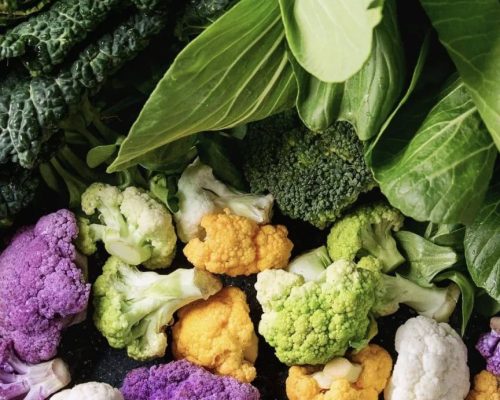
Among the most effective foods for liver support are green vegetables, especially cruciferous vegetables like broccoli. Rich in antioxidants, fiber, and unique plant compounds, green veggies help the liver perform its natural detoxification processes more efficiently. Rather than “detoxing” the body in a dramatic or artificial way, these foods enhance the liver’s built-in ability to neutralize and eliminate harmful substances.
Understanding Liver Detoxification
Detoxification is often misunderstood. The liver does not store toxins and then flush them out in one dramatic cleanse. Instead, it continuously transforms harmful substances into safer compounds that can be excreted through bile, urine, or stool.
This process happens in two main phases:
- Phase I detoxification, where enzymes break toxins into intermediate compounds
- Phase II detoxification, where those compounds are bound to other molecules so they can safely leave the body
Both phases require specific nutrients, antioxidants, and plant compounds to function optimally. When the liver is overburdened or lacking nutritional support, detoxification can become less efficient, leading to oxidative stress and inflammation.
Green vegetables and broccoli provide many of the compounds needed to support both phases of this process.
Why Green Vegetables Are Essential for Liver Health
Green vegetables are among the most nutrient-dense foods available. Leafy greens such as spinach, kale, Swiss chard, arugula, and collard greens are particularly beneficial for liver health.
One of their key benefits is their high chlorophyll content. Chlorophyll helps bind to toxins and heavy metals in the digestive tract, reducing the burden placed on the liver. This indirect support allows the liver to focus on deeper metabolic detoxification rather than constantly managing incoming toxins.
Green vegetables are also rich in:
- Antioxidants, which protect liver cells from oxidative damage
- Magnesium, essential for enzyme function
- Folate, important for methylation and detox pathways
- Fiber, which supports bile elimination and gut health
By improving digestion and regular elimination, green vegetables help prevent toxins from being reabsorbed into the bloodstream—a process known as enterohepatic recirculation.
Broccoli: A Liver Detox Powerhouse
Among all green vegetables, broccoli stands out as one of the most powerful allies for liver detoxification. As a cruciferous vegetable, broccoli contains unique sulfur-containing compounds that directly influence detoxification enzymes.
One of the most important compounds in broccoli is sulforaphane. Sulforaphane has been shown to activate Phase II detoxification enzymes in the liver, helping the body neutralize and eliminate carcinogens, excess hormones, and environmental toxins more efficiently.
Broccoli also contains glucosinolates, which are broken down into active compounds when the vegetable is chopped or chewed. These compounds support liver enzyme activity and help balance estrogen metabolism—an important function for both hormonal health and toxin clearance.
Regular broccoli consumption has been associated with:
- Improved liver enzyme balance
- Reduced oxidative stress in liver tissue
- Enhanced antioxidant capacity
- Protection against fatty liver changes
Supporting Bile Flow and Fat Metabolism
Bile production and flow are essential for liver detoxification. Bile helps eliminate fat-soluble toxins, excess cholesterol, and metabolic waste. Green vegetables and broccoli support bile flow in several ways.
Their fiber content binds to bile acids in the digestive tract, encouraging the body to use cholesterol to produce more bile. This not only supports detoxification but also contributes to healthy cholesterol levels.
Additionally, the bitter compounds found in many green vegetables stimulate digestive enzymes and bile release. Improved bile flow reduces liver congestion and supports smoother detoxification pathways.
Reducing Inflammation and Oxidative Stress
Chronic inflammation is one of the greatest threats to liver health. Over time, it can impair detoxification, disrupt metabolism, and contribute to conditions such as non-alcoholic fatty liver disease.
Green vegetables and broccoli are rich in anti-inflammatory compounds, including vitamin C, beta-carotene, flavonoids, and polyphenols. These nutrients help neutralize free radicals generated during detoxification and protect liver cells from damage.
By reducing oxidative stress, these vegetables allow the liver to detoxify efficiently without becoming inflamed or overworked.
Gut–Liver Connection: Why Fiber Matters
The liver and gut are closely connected through the gut–liver axis. When gut health is compromised, toxins produced by harmful bacteria can travel directly to the liver, increasing its workload.
Green vegetables and broccoli are excellent sources of prebiotic fiber, which feeds beneficial gut bacteria. A healthier gut microbiome leads to fewer endotoxins entering the bloodstream, easing the liver’s detox burden.
Regular fiber intake also promotes consistent bowel movements, ensuring that toxins processed by the liver are actually eliminated rather than reabsorbed.
Best Ways to Consume Green Vegetables and Broccoli
How vegetables are prepared matters. Overcooking broccoli can reduce its sulforaphane content, while raw vegetables may be harder to digest for some people.
Optimal preparation methods include:
- Light steaming (especially for broccoli)
- Sautéing gently with healthy fats
- Blending leafy greens into smoothies
- Chopping broccoli and letting it rest before cooking to activate enzymes
Pairing green vegetables with healthy fats such as olive oil or avocado can enhance nutrient absorption and further support bile production.
Consistency Over Cleanses
One of the most important truths about liver detoxification is that consistency matters more than intensity. Eating green vegetables and broccoli regularly—rather than relying on short-term detox programs—provides steady support for liver function.
A diet rich in green vegetables helps the liver do what it is designed to do naturally, without extreme restrictions or stress on the body.
Conclusion: Nourishing the Liver Through Green Nutrition
The liver thrives on nourishment, not deprivation. Green vegetables and broccoli offer a powerful, evidence-based way to support liver health and natural detoxification every day. Through their antioxidants, fiber, sulfur compounds, and anti-inflammatory properties, these foods enhance the liver’s ability to process toxins efficiently and protect itself from damage.
Incorporating a variety of green vegetables—especially broccoli—into daily meals is one of the simplest and most effective strategies for long-term liver health. Rather than chasing detox trends, focusing on whole, nutrient-rich foods allows the body’s natural detox systems to function at their best, supporting energy, digestion, hormonal balance, and overall vitality for years to come.