
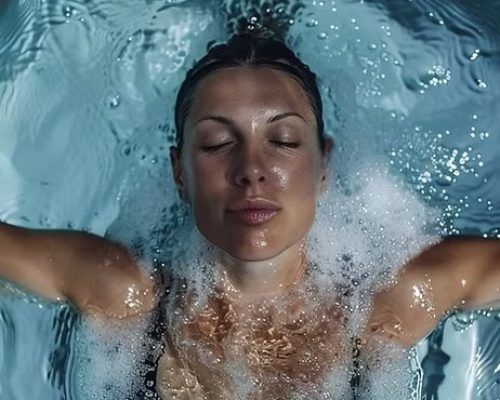
The idea of submerging yourself in icy water might sound more like a dare than a wellness practice. Yet cold plunging — immersing your body in cold water for short periods — has been used for centuries as a way to boost health, sharpen the mind, and build resilience. From athletes to biohackers to everyday wellness seekers, more and more people are discovering that the benefits of cold immersion go far beyond the initial shock.
So, what exactly happens when you take the plunge, and why is it so good for your body and mind? Let’s dive in (pun intended).
What Is a Cold Plunge?
A cold plunge is exactly what it sounds like — immersing yourself in cold water, typically between 39°F and 59°F (4°C to 15°C), for anywhere from 1 to 10 minutes. Some people use ice baths, others use specialized cold plunge tubs, and some go for the natural route with rivers, lakes, or oceans.
The practice has roots in many ancient cultures. The Greeks and Romans used cold baths for vitality, Nordic countries have long embraced winter swimming, and in Eastern traditions, cold water immersion has been linked to discipline and spiritual clarity.
Today, science is catching up with what ancient wisdom already knew: cold plunging delivers serious health benefits.
Boosts Circulation and Cardiovascular Health
When you step into cold water, your blood vessels constrict to preserve core body temperature. Once you step out and warm up, your blood vessels expand again. This repeated constriction and dilation acts like a workout for your vascular system, improving circulation and overall cardiovascular health.
Better circulation means more oxygen and nutrients get delivered throughout the body, while waste products and toxins are cleared more efficiently. Over time, this can help reduce the risk of cardiovascular disease, promote heart health, and improve overall vitality.
Reduces Inflammation and Speeds Recovery
One of the most popular uses for cold plunges is muscle recovery. Athletes have long turned to ice baths after intense training or competition to reduce soreness. The cold water helps constrict blood vessels, decrease inflammation, and flush out lactic acid buildup in the muscles.
But you don’t have to be a professional athlete to benefit. Anyone who experiences muscle stiffness, joint pain, or even chronic inflammation can find relief from regular cold plunging. It’s a natural way to help your body heal faster and feel less achy.
Strengthens the Immune System
Research suggests that cold water exposure can give your immune system a boost. Cold plunging stimulates the production of white blood cells and activates your body’s natural defenses. Some studies have shown that people who regularly practice cold exposure report fewer colds and infections.
This immune boost likely comes from the stress adaptation response: when your body faces short, controlled stressors (like cold water), it becomes better equipped to handle bigger stressors — including pathogens and illness.
Enhances Mood and Mental Health
One of the most noticeable effects of cold plunging is the mental shift it creates. After the initial shock of the cold, your body releases a surge of endorphins (the “feel-good” hormones), dopamine, and norepinephrine. These neurochemicals elevate mood, sharpen focus, and create a sense of clarity and calm.
Many people describe feeling euphoric, energized, and more centered after a plunge. This effect makes cold plunging a powerful tool for managing stress, anxiety, and even symptoms of depression. It’s like a natural reset button for your brain.
Builds Resilience and Mental Toughness
Let’s be honest: getting into cold water isn’t exactly comfortable. But that’s part of the magic. Each time you step into the cold, you’re training your mind to embrace discomfort and stay calm under pressure.
This resilience translates into daily life. By practicing discipline and self-control in the plunge, you build the mental toughness to handle challenges at work, in relationships, and in stressful situations. Over time, you’re less reactive, more adaptable, and better at managing life’s ups and downs.
Supports Metabolism and Weight Loss
Cold plunging activates brown adipose tissue (BAT), also known as brown fat. Unlike regular fat, brown fat burns energy to produce heat and keep your body warm. Activating brown fat through cold exposure can increase calorie burning and support a healthier metabolism.
Some studies suggest that regular cold exposure may help regulate blood sugar and improve insulin sensitivity, making it a potential tool for metabolic health and weight management.
Improves Sleep Quality
Surprisingly, taking a cold plunge can help you sleep better. The drop in body temperature after cold exposure signals your body that it’s time to rest and recover. Many people report deeper, more restful sleep after incorporating cold plunges into their routine — especially when done earlier in the day.
Better sleep means better hormone balance, improved recovery, sharper cognition, and a stronger immune system.
Supports Lymphatic Flow and Detoxification
Your lymphatic system — the body’s natural drainage network — relies on movement and circulation to clear out waste, toxins, and excess fluid. Cold plunging stimulates lymphatic flow by causing your muscles to contract and relax, which helps pump lymph fluid through the body.
The result? Reduced bloating, improved detoxification, and a lighter, more energized feeling. Pairing cold plunges with deep breathing or movement afterward amplifies the effect.
How to Start Cold Plunging
If you’re new to cold plunging, start slowly. You don’t need to jump into an icy lake tomorrow. Here are some simple steps to ease in:
- Start with cold showers – Finish your normal shower with 30–60 seconds of cold water.
- Gradually increase exposure – Work your way up to 2–3 minutes over time.
- Try a plunge tub or natural water – Once comfortable, try a dedicated cold plunge tub or a dip in nature.
- Focus on breathing – Slow, controlled breathing helps your body adapt to the shock.
- Stay consistent – Aim for 2–4 sessions per week for maximum benefits.
Remember: the goal isn’t to torture yourself but to train your body and mind to adapt. Even a few minutes of cold exposure can deliver powerful results.
Safety Considerations
Cold plunging isn’t for everyone. If you have heart conditions, respiratory issues, or circulation disorders, check with a healthcare provider before trying it. Always listen to your body and never force yourself to stay in longer than feels safe. The key is short, controlled exposure — not pushing your limits recklessly.
Final Thoughts: Why Take the Plunge?
Cold plunging is one of those practices that sounds intimidating at first but quickly becomes addictive once you experience the benefits. From reduced inflammation and better immunity to improved mood, metabolism, and mental resilience, the health perks are both immediate and long-lasting.
Most importantly, cold plunging reminds us of the power of stepping outside our comfort zone. In those moments of icy stillness, we find clarity, strength, and renewal — a reminder that sometimes, the best way to heat up your health is to cool down.
So next time you’re feeling sluggish, stressed, or in need of a reset, consider taking the plunge. Your body (and mind) will thank you.